Revealing that which is concealed. Learning about anything that resembles real freedom. A journey of self-discovery shared with the world.
Have no fellowship with the unfruitful works of darkness, but rather reprove them - Ephesians 5-11
Join me and let's follow that high road...
Showing posts with label Boeing's Doomed 737 Max. Show all posts
Showing posts with label Boeing's Doomed 737 Max. Show all posts
Well then, Boeing is responsible for these downed airplanes and their dead passengers.
Go to abeldanger https://www.abeldanger.org/illegal-modifications-buap-capture-end/
to explore the BUAP/BHUAP rabbit hole - uninterruptible autopilot =
weaponized planes. Who benefits from ruining Boeing's reputation and
covering up assassination in a mass air tragedy?
In a clarification that only created more confusion, Boeing said
Monday that an alert intended to notify pilots when the plane might be
receiving erroneous data from one of the 737 MAX 8's 'angle of attack'
sensors wasn't disabled intentionally, as WSJ reported on Sunday, but that the feature had been disabled because of a previously undisclosed software glitch.
What's confusing is that Boeing had confirmed WSJ's story that the
aerospace company had neglected to tell the FAA and Southwest, the
biggest customer for the 737 MAX 8, that the alert feature had been
disabled because it had been made a new 'optional' safety feature. The alerts would have warned pilots that the plane's MCAS system might be about to misfire.
However, the airline appears to have changed its story, offering
little clarification as to why. During Boeing's shareholder meeting in
Chicago on Monday, CEO Dennis Muilenburg repeated the company's claim
that the alerts were a 'non-essential' feature, however, given the fact
that the misfire of Boeing's MCAS system (which Muilenburg also insisted
wasn't an 'anti-stall' system, as it has been regularly described in
media reports, but instead characterized it as a safety system) is
widely suspected to have caused the crashes of Lion Air and an Ethiopian
Airlines flights that together killed nearly 350 people makes this
claim difficult to believe.
The company said that it didn't intentionally deactivate the alerts,
and that they had only been disabled because of the software issue.
Boeing is now saying that its engineers, as well as safety regulators
at the FAA, either missed or overlooked the software glitch that
rendered these alerts inoperable, presumably even on planes where the
extra safety features had been paid for. The alerts had been standard on
earlier models.
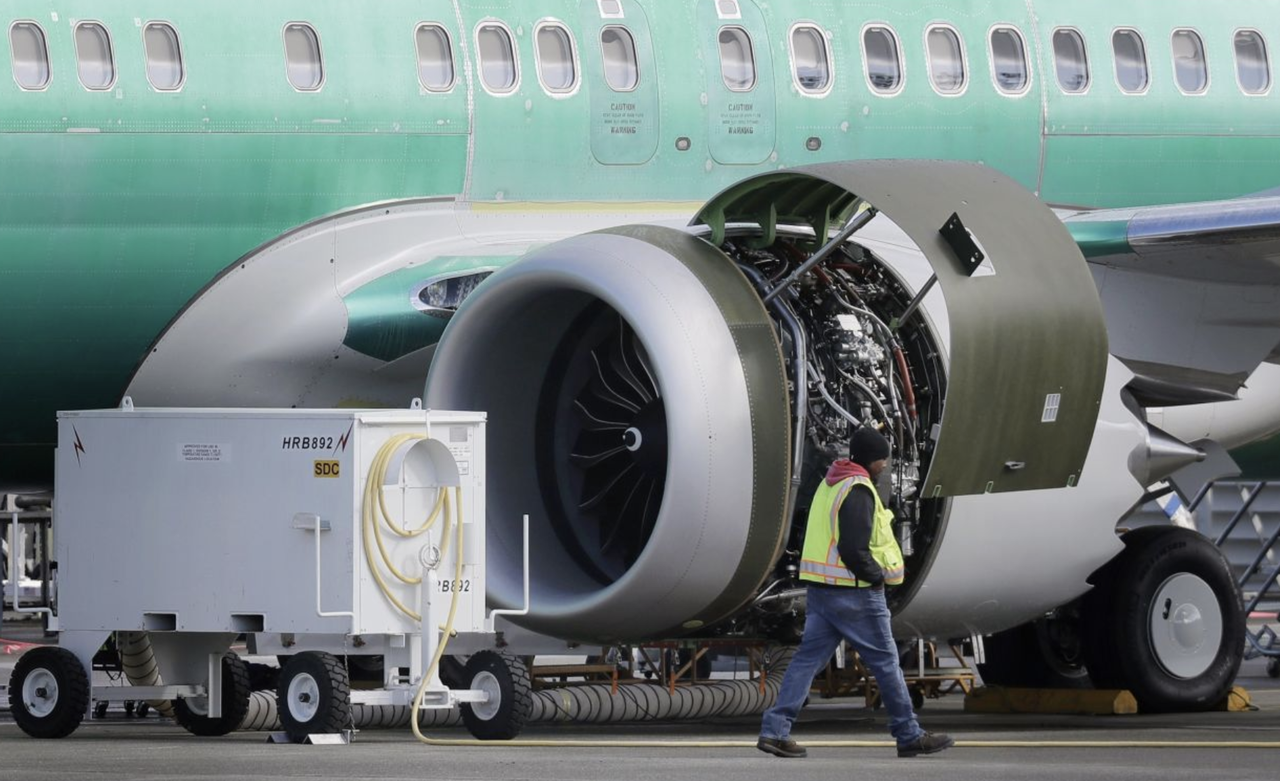
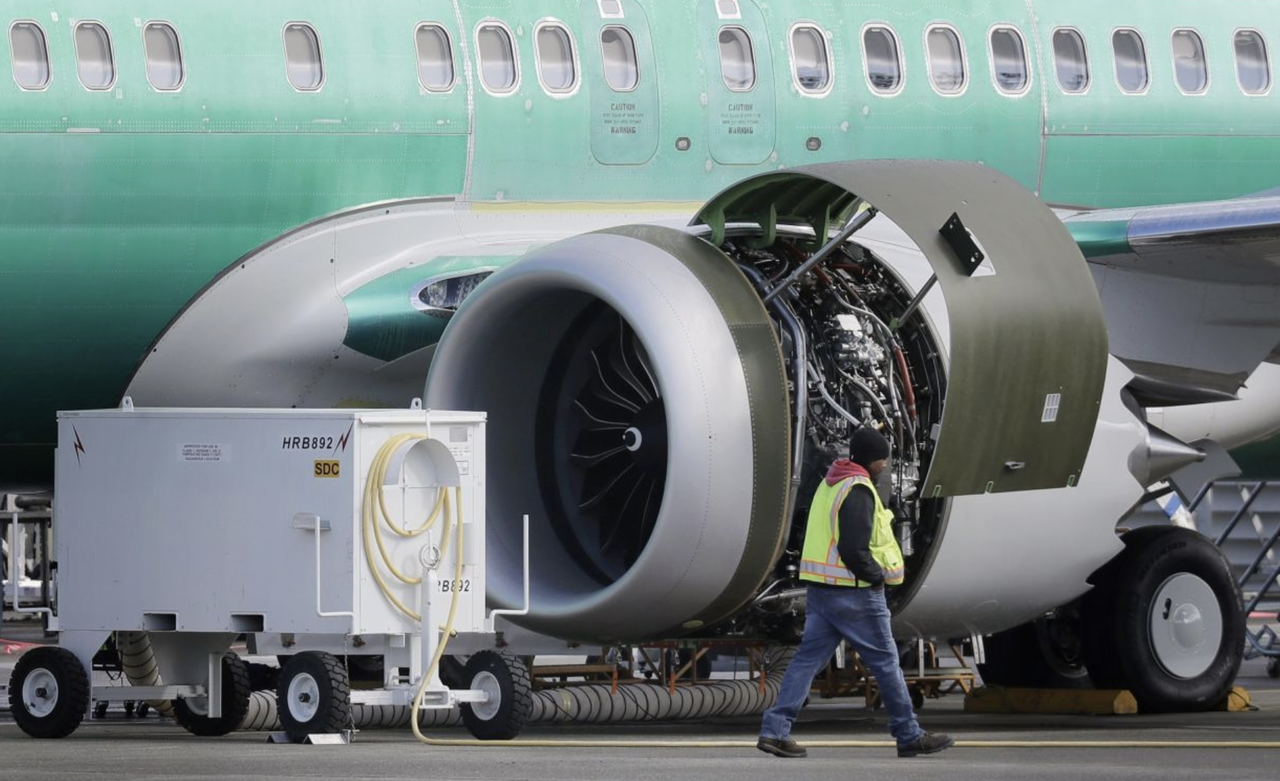
The Monday statement suggests Boeing engineers and management, as well as U.S. air-safety regulators, either missed or overlooked one more software design problem when the model was certified two years ago.Before
Monday, neither Boeing nor the Federal Aviation Administration had
disclosed that an additional software glitch—rather than an intentional
plan by the plane maker—rendered so-called angle of attack alerts
inoperable on most MAX aircraft. The alerts warn pilots when there is a disagreement between two separate sensors measuring the angle of a plane’s nose.
Boeing’s disclosure comes as the plane maker scrambles to win FAA and
international approval of a software fix for MCAS, making it less
potent and less likely to misfire. In addition to the challenges already
facing the MAX fleet, revelations of the additional software
difficulties are likely to be scrutinized by airlines, passengers and
regulators world-wide as Boeing strives to restore their trust and
return the MAX fleet to service.
The alerts, intended to tell cockpit crews if sensors are
transmitting errant data, had been standard on earlier 737 models.
Officials at airlines around the globe, including Southwest Airlines
Co., the largest 737 MAX customer, assumed the alerts remained standard
until details emerged in the wake of the Lion Air crash. At that point,
the industry and FAA inspectors monitoring Southwest realized the alerts
hadn’t operated on most MAX aircraft, including Southwest jets.
Ultimately, Boeing's admission of this glitch could make winning FAA
approval to allow the planes to return to the skies even more difficult,
and it's also bound to make international regulators more wary of
Boeing's updated flight software, which the company has said is being
designed to make MCAS less powerful, and more quickly identify when a
plane's sensors are feeding it erroneous data.
That the plane has so many problems that pilots have to turn off many of its systems to safely fly it not only is a big RED FLAG, but flat out CRIMINALLY DANGEROUS TO SELL AND FLY. This plane has crashed 12 times in the last TEN MONTHS. That's not counting engine fires, computer failures in flight, and other issues. We know straight from Boeing that the MCAS system in the 737max can not be disabled for more than ten seconds. Which means, ten seconds after you stop it from trying to kill you, it starts trying to kill you again, EVERY TEN SECONDS. GET ME?
We also know straight from Boeing that the MCAS could change the
pitch of the adjusters 2.5 degrees instead of the .9 believed when the
plane was certified.
You can't save the plane from the malfunction that brought down those
two flights. There isn't time to screw around with flipping switches
when the plane is trying to point the nose down during takeoff. The
pilots will be doing anything they can to keep the nose pointed up and
gain airspeed. Which is why the airspeed was so high so close to the
ground.
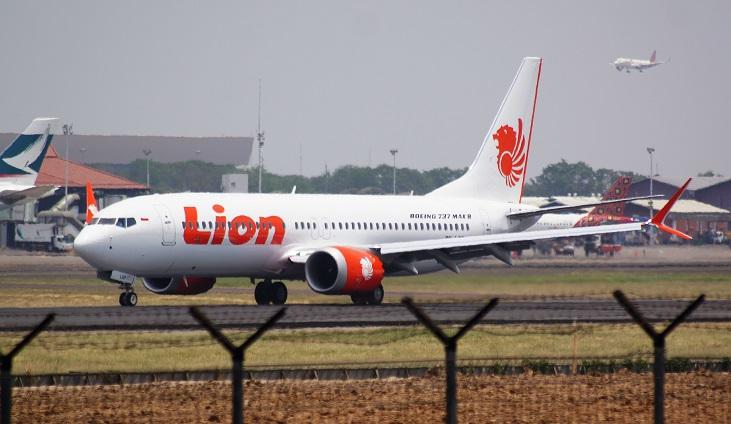
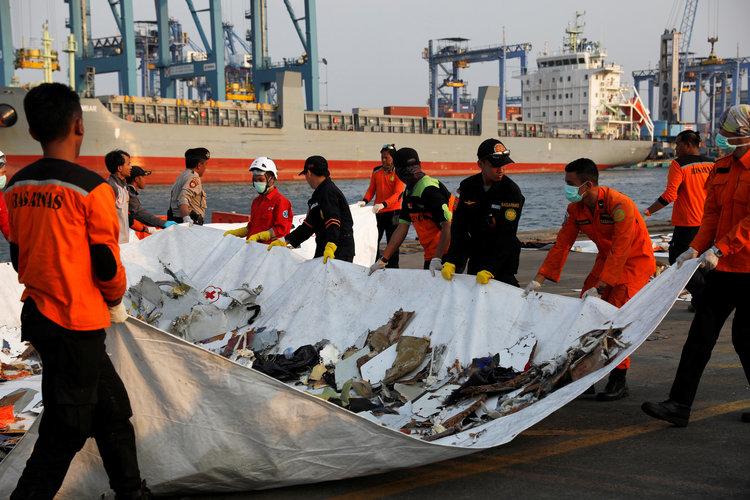
An off-duty pilot hitching a ride in the cockpit jump-seat of a doomed
737 Max 8 last October reportedly saved the plane just one day before
it crashed off the coast of Indonesia while being operated by a
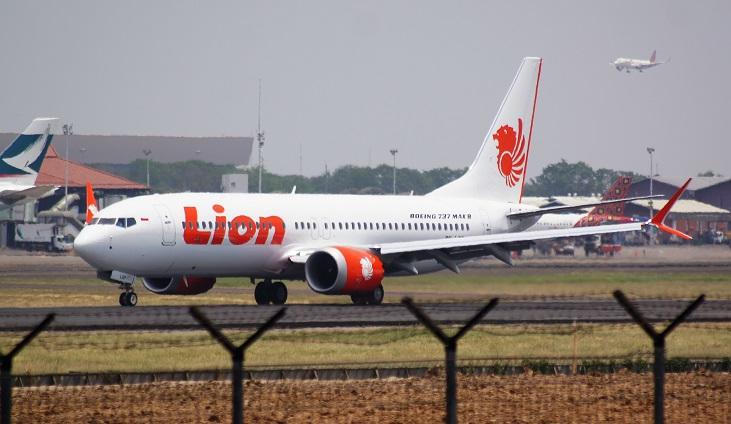
different crew, killing 189 onboard.
Fly it and die...ever since MCD merged with Boeing, their planes have gone down hill, just like MCD planes used and still do. Look at the crash record of the MD80 and DC 10 series, 2 a month since forever. MD 80s are always having PAN PAN PAN emergencies on a near daily basis.
The previously undisclosed detail on the earlier Lion Air flight
represents a new clue in the mystery of how some 737 Max pilots faced
with the malfunction have been able to avert disaster while the others
lost control of their planes and crashed. The presence of a
third pilot in the cockpit wasn’t contained in Indonesia’s National
Transportation Safety Committee’s Nov. 28 report on the crash and hasn’t previously been reported. -Bloomberg
As we noted last week, several pilots had repeatedly warned federal authorities of the Max 8's shortcomings, with one pilot describing the plane's flight manual as "inadequate and almost criminally insufficient."
"The fact that this airplane requires such jury-rigging to fly is a red flag. Now
we know the systems employed are error-prone — even if the pilots
aren't sure what those systems are, what redundancies are in place and
failure modes. I am left to wonder: what else don't I know?" wrote the
captain.
After the Lion Air crash, two U.S. pilots’ unions said the potential
risks of the system, known as the Maneuvering Characteristics
Augmentation System, or MCAS, hadn’t been sufficiently spelled out in
their manuals or training. None of the documentation for the Max
aircraft included an explanation, the union leaders said. -Bloomberg
"We don’t like that we weren’t notified," said Southwest Airlines Pilots Association president Jon Weaks in November. "It makes us question, ‘Is that everything, guys?’ I would hope there are no more surprises out there."
In the Lion Air crash, a malfunctioning sensor is believed to have tricked the plane's computers to force the nose of the plane down to
avoid a stall. Following the March 10 crash less than six months later -
which followed a "very similar" track to the Lion Air flight, All Boeing 737 Max 8s were grounded by US regulators following dozens of countries and airlines doing so first.
"After this horrific Lion Air accident, you’d think that everyone
flying this airplane would know that’s how you turn this off," said
former FAA accident investigation division director Steve Wallace.
Meanwhile, investigators are now looking into how the new 737 model
was approved. The Transportation Department's inspector general has
begun an inquiry into the plane's certification, while a grand jury
under the US DOJ is also seeking records in a possible criminal investigation of the plane's certification.
Authored by Eric Margolis, I don’t like flying. I consider it unnatural,
unhealthy and fraught with peril. But I do it all the time. For me, it’s
either fly or take an ox cart.
In fact, I’ve been flying since I was six years old – from New York
to Paris on a lumbering Boeing Stratocruiser, a converted, double-decker
WWII B-29 heavy bomber. I even had a sleeping berth. So much for
progress. Lots can go wrong in the air. Modern aircraft have
thousands of obscure parts. If any one of them malfunctions, the
aircraft can be crippled or crash. Add pilot error, dangerous weather,
air traffic control mistakes, mountains where they are not supposed to
be, air to air collisions, sabotage and hijacking.
I vividly recall flying over the snow-capped Alps in the late 1940’s
aboard an old Italian three-motor airliner with its port engine burning,
and the Italian crew panicking and crossing themselves.
Some years ago, I was on my way to Egypt when we were hijacked by a
demented Ethiopian. A three day ordeal ensued that included a return
flight to New York City from Germany, with the gunman threatening to
crash the A-310 jumbo jet into Wall Street – a grim precursor of 9/11.
My father, Henry Margolis, got off a British Comet airliner just before
it blew up due to faulty windows. Which brings me to the current Boeing crisis.
After a brand new Boeing 737 Max crashed in Indonesia it seemed highly
likely that there was a major problem in its new, invisible autopilot
system, known as MCAS. All 737 Max’s flying around the world should have
been grounded as a precaution. But America’s aviation authority, the
Federal Aviation Administration (FAA), allowed the Max to keep flying. The FAA is half regulator and half aviation business promoter, a clear conflict of interest.
The crash of a new Ethiopian 737 Max outside Addis Ababa under very
similar circumstances to the Lion Air accident set off alarm bells
around the globe. Scores of airlines rightly grounded their new Max’s.
But the US and Canada did not. The FAA continued to insist the aircraft
was sound. The problem, it was hinted between the lines, was incompetent
third world pilots.
It now appears that America’s would-be emperor, Pilot-in–Chief Donald
Trump, may have pressed the FAA to keep the 737 Max’s in the air.
Canada, always shy when it comes to disagreeing with Washington, kept
the 737 Max’s flying until there was a lot of evidence linking the
Indonesia and Ethiopian crashes.
Trump finally ordered the suspect aircraft grounded. But doing so was
not his business. That’s the job of the FAA. But Trump, as usual,
wanted to hog the limelight. By now, the 737 Max ban is just about universal.
Interestingly, Ethiopia refused to hand over the crashed 737’s black
boxes (actually they are red) to the FAA, as is normal with US-built
aircraft. Instead, Addis Ababa sent the data boxes for analysis to BEA,
France’s well-regarded aviation accident investigator. Clearly, Ethiopia
lacks confidence in the veracity and impartiality of the FAA and the
White House.
Today, Trump professes vivid interest in Boeing’s well-being. Last
May, however, Trump cancelled an Iranian order to Boeing for $20 billion
in airliners which had originally been signed under the Obama
administration. Israel’s fingerprints were all over this cancellation.
Iran desperately needs new aircraft to replace its fleet of decaying,
1960’s passenger aircraft that have become flying coffins. Boeing (I am a shareholder) will recover from this disaster unless the 737 Max’s center of gravity is dangerously unstable.
The mystery autopilot system will be reconfigured and pilots properly
trained to use it. Air France had a similar problem when it introduced
the new A320. But Boeing, not third world pilots, is at fault. There’s another key factor. I’ve been writing
for decades that passenger aircraft should return to the three-man crew
they had 40-50 years ago. The position of flight engineer was
supposedly eliminated by cockpit automation. Today, aircraft are so
electronically complex they need a specialist on board who can deal with
problems. Pilots should not be expected to be masters of computer
technology. A third crew member is essential when things
go wrong. But employing one costs money. It seems rock-bottom fares
remain more important than safety.